
2026-10-17 ·
Hail and Wind Damage: A Roof Inspection Checklist for Topeka, KS Homeowners
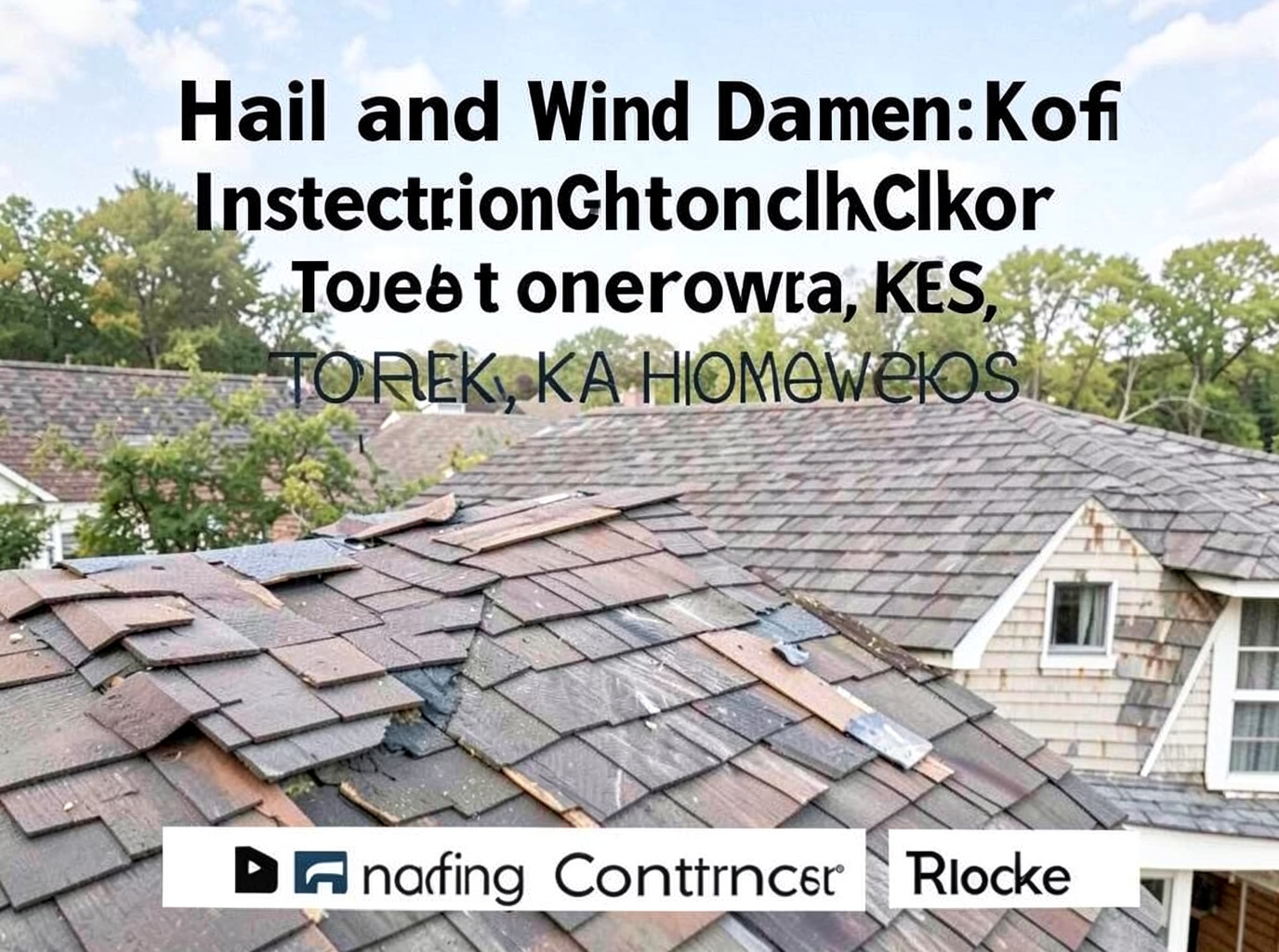
A roof inspection checklist for hail and wind damage in Topeka starts with examining shingles for granule loss and dents while checking flashing around chimneys and vents for lifts or tears after storms hit Shawnee County.
Spotting Hail Damage on Topeka Roofs
Hail strikes often leave round dents or missing granules on asphalt shingles that cover most homes in neighborhoods such as Westboro and Potwin. Walk the perimeter first and use binoculars to scan the north-facing slopes where hail driven by prevailing winds tends to concentrate. Look for bruised areas that feel soft underfoot and note any exposed felt or wood sheathing. In older housing stock around Downtown Topeka, hail can also crack ridge caps or dislodge ridge vent covers. Document every mark with photos that include a coin for scale before the next rain washes away evidence. Cold winters that follow hot summers in Shawnee County can widen small fractures, turning minor hail hits into leaks by spring.
Checking Wind-Related Issues Around Topeka
High winds tear at underlayment and lift shingles along eaves and ridges, especially on homes in open areas near the Kansas State Capitol or Ward-Meade Park. Inspect the perimeter for curled edges and missing fasteners, then examine the attic for daylight coming through decking gaps. Wind can also loosen step flashing where roofs meet walls, a common failure point on two-story homes in College Hill. After gusts reach 60 mph or more, check gutters for displaced shingles and scan the ground for debris that matches your roof color. These signs appear faster on roofs older than 15 years that have already endured multiple freeze-thaw cycles typical of the region.
Factoring in Shawnee County Weather Patterns
Topeka’s humid continental climate brings hail-producing thunderstorms in spring and fall plus strong straight-line winds that accompany summer fronts moving from the west. Winters add ice dams along eaves in Potwin and Highland Park, which can compound wind damage by forcing water under lifted shingles. Summer heat softens asphalt, making it more vulnerable to the next wind event. Homeowners should inspect twice a year, once after the last freeze and again after peak storm season. These patterns differ from milder conditions in nearby Lawrence, where fewer hail events occur.
Knowing When Professional Help Is Needed
If more than a dozen shingles show damage or any water stains appear on ceilings, contact a roofing contractor serving Topeka. Persistent leaks after wind events often require targeted hail damage roof repair or wind damage roof repair rather than full replacement. Review the full checklist against findings and schedule an attic inspection to confirm no hidden deck rot. For ongoing issues, read what to do about a roof leak after severe weather in Topeka, KS and compare roof replacement options for hail- and wind-prone conditions in Topeka, KS before deciding next steps.